

About Sara

Many of the women who find their way to my practice have spent years feeling overwhelmed by the pace and expectations of daily life.
Some are exploring ADHD, autism, or sensory sensitivity for the first time. Others simply know that their nervous system seems to process the world more intensely than most people’s do.
I specialize in working with neurodivergent women who want to better understand how their minds work and develop ways of living that feel more sustainable.
Therapy can be a space to slow down, make sense of patterns that once felt confusing, and begin building a life that fits the way your brain actually operates.


A Perspective Informed by Lived Experience


My perspective as a therapist is shaped not only by my training, but also by the way my own neurodivergent brain tends to notice patterns.
I often find myself helping clients connect pieces of their experiences that once felt confusing or unrelated. When those patterns start to make sense, many people feel a deep sense of relief and clarity.
I sometimes think about this through the lens of my own background. I’m the daughter of a contractor, and I also studied fine art before becoming a therapist. Both of those worlds involve learning to see structure - how things are built, how systems fit together, and how small adjustments can change the whole shape of something.
In therapy, I bring that same kind of curiosity to the patterns that shape people’s lives.

I also know now how powerful it can be to find someone who gets it.
Who won’t pathologize your brain, who sees your sensitivity as a strength, and who can help you create a version of yourself that actually works for you.
My work is grounded in a neurodivergent-affirming perspective. Rather than trying to force your mind into systems that were never designed for it, our work focuses on understanding how your brain and nervous system naturally function.
Many of the struggles people bring to therapy, like overwhelm, burnout, difficulty with focus, or emotional intensity, begin to make more sense when viewed through the lens of how a nervous system processes the world.
Therapy can help you develop awareness, reduce shame, and find strategies that work with the way your mind operates rather than against it

How I Think About Therapy
Untangle what’s anxiety, what’s sensory overload, and what’s just life.
Practice noticing what is happening in your body and learn ways to calm your system that don’t involve masking, pretending you’re fine, or checking out.
Build trust in your instincts and confidence in living your way.
Grow self-compassion so you can meet yourself with kindness, even on the messy days.
My sessions are collaborative, warm, and practical. Together we’ll:
I am a Licensed Clinical Social Worker Associate providing virtual therapy to women across North Carolina.
My clinical work is informed by approaches such as Acceptance and Commitment Therapy, nervous system awareness, and neurodivergent-affirming care.
I have also received specialized training through Postpartum Support International, and I have a particular interest in supporting neurodivergent women during pregnancy, postpartum, and the early years of parenting.
Master of Social Work (MSW) University of Kentucky
Bachelor of Fine Art (BFA) University of North Carolina Asheville
Education
Advanced Perinatal Mental Health Training (Postpartum Support International)
Training in ACT, ERP, DBT-informed, and Polyvagal Theory-informed approaches
Neurodiversity-Affirming practice approaches
Training
Licensed Clinical Social Work Associate (LCSWA)
North Carolina
#P022285
License
Neurodivergence and Motherhood
Pregnancy and early parenthood are often the stages of life when many women first begin questioning neurodivergence. The demands of sleep disruption, sensory input, emotional regulation, and constant caregiving can quickly push an already taxed nervous system past its limit.
Because of this, I have a particular interest in supporting neurodivergent women navigating pregnancy, postpartum, and the early years of parenting.
Outside the Therapy Room
Outside of my work as a therapist, I enjoy quiet creative projects, house renovations, and spending time with my family. My background in fine art and design continues to influence the way I think about patterns, systems, and the environments we build around ourselves.
I also deeply appreciate slow, ordinary moments. Good coffee, cozy spaces, and the small rituals that help a nervous system settle.

Why “Otherwise Counseling”

I chose this name because it speaks to the other paths we can take.
The ones that don’t follow a prescribed script.
Otherwise also means wise-in-another-way, which is one of the ways I view neurodivergence; a different kind of wisdom.
For many of the women I work with, life has been full of messages about how they’re supposed to think, feel, or parent.
Otherwise Counseling is my way of saying there isn’t one right way. There’s always another way. A way that fits you.

Otherwise is a quiet kind of resistance. It’s a reminder that you don’t have to force yourself into the narrow version of yourself our culture sells.
You can step outside of that, write your own story.

And it’s a word of hope. No matter how anxious, burned out, or overstimulated you feel, it doesn’t have to stay this way. Things can be otherwise.
If you love a deep dive and are interested to hear the story behind my logo, keep reading!
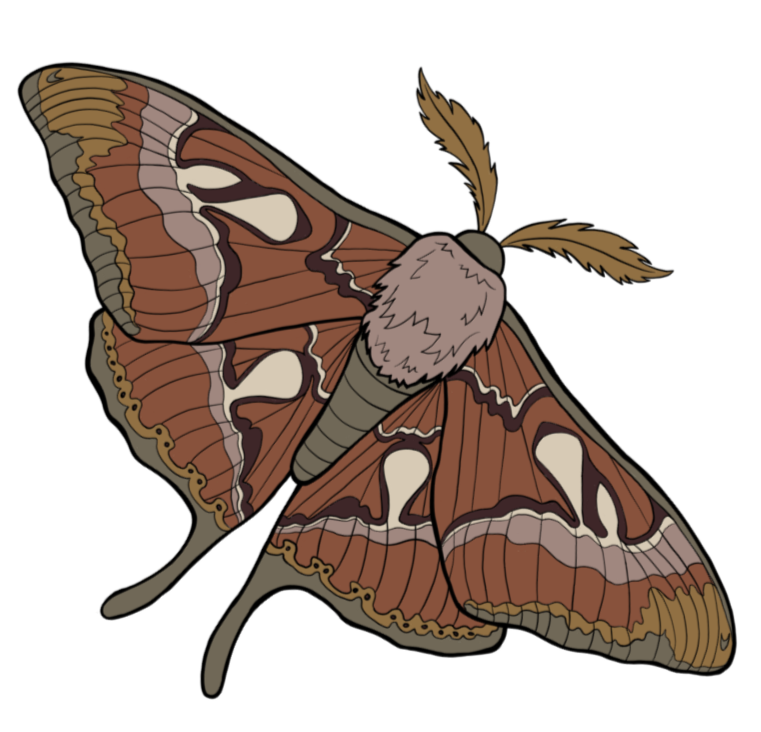
The moth in my logo represents transformation and quiet resilience. Moths find light in the dark, even when the path isn’t clear; a perfect symbol for what we do in therapy. This is a space where your sensitivity, intensity, and need for something different aren’t just accepted, but honored. I like to think of the moth as a representation of neurodivergence in a neurotypical world of butterflies.
But of course, one type of moth wasn’t quite specific enough. Instead, I chose a blend of three moths: the Luna, the Atlas, and the White Ermine. Each one represents something I want this practice to embody.


The Luna moth symbolizes transformation and renewal. A reminder that even the most overwhelming seasons can be part of becoming
The Atlas moth, one of the largest in the world, represents strength, the courage to take up space, and the power of claiming your needs. It speaks to the expansive identity shifts in motherhood and self-discovery.
The White Ermine moth is a symbol of quiet resilience and protection. Surviving, adapting, and persisting even when the environment isn’t gentle.
Together, they create a symbol of what I hope therapy offers; the chance to transform, to take up space, and to trust your own quiet strength.

Areas I Support
I work with women navigating several common neurodivergent experiences, including:
“Let me keep my distance, always, from those who think they have the answers. Let me keep company always with those who say “Look!” and laugh in astonishment, and bow their heads.”
- Mary Oliver